

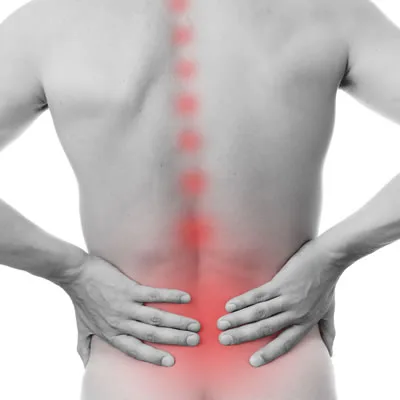
The sciatic nerve is formed by nerve roots leaving the lower spine and is the largest nerve in the body. Irritation can produce pain, altered sensation or weakness along part of its course. A disc problem is one possible cause, but narrowing around the nerve and other spinal conditions can create a similar pattern.
Sciatica or referred pain?
Not every pain travelling into the buttock or leg is sciatica. Joints in the lower back, sacroiliac region and hip can refer pain without the nerve itself being damaged. Sensitive areas in the gluteal muscles may also send pain down the leg.
The assessment considers where symptoms travel, whether coughing or sitting changes them and whether there are neurological signs. Strength, reflexes, sensation and specific movement tests help determine whether a spinal nerve is involved.
Peripheral nerve entrapment
Nerves can also become irritated further down the leg, including around the groin, outer knee, ankle or foot. These symptoms may resemble sciatica but require a different management plan. Examining the whole course of the nerve helps identify the likely site.
Treatment options
Many uncomplicated sciatic presentations improve with conservative care and continued appropriate activity. When suitable, care may include gentle joint techniques, soft-tissue work and exercises that are progressed according to symptoms and neurological findings.
We do not promise that manipulation will replace surgery. Surgery is only considered for particular cases, such as severe or progressive neurological loss or symptoms that do not improve with appropriate conservative management. If the examination suggests imaging or specialist review is needed, we will recommend it.
Staying active safely
Complete bed rest is rarely helpful. Short, manageable periods of walking and changing position regularly are often better tolerated. Exercise selection depends on which movements ease or aggravate the leg symptoms, so a generic online routine may not suit every case.
Seek emergency medical care for new loss of bladder or bowel control, numbness around the genitals or saddle area, symptoms affecting both legs, or rapidly worsening weakness. These can indicate serious compression of the nerves at the base of the spine.