

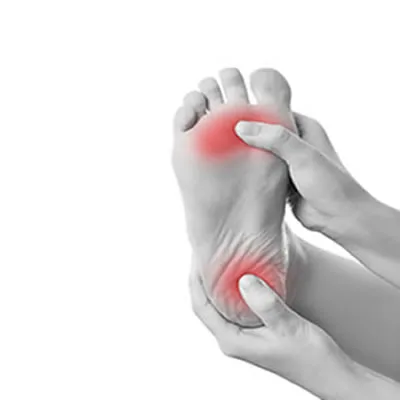
The plantar fascia is a tough band of connective tissue running from the heel towards the toes. It helps maintain the arch and stores energy during walking and running. Symptoms often develop when the load placed on the tissue increases faster than it can adapt.
Typical symptoms
Pain is usually strongest with the first few steps in the morning or after sitting. It may ease as the foot warms up and then return after a longer walk, run or period of standing. The exact pattern varies, and not every case of heel pain is plantar fasciitis.
Other possible causes include irritation of the heel’s fat pad, nerve symptoms, stress injury, inflammatory conditions and pain referred from elsewhere. Sudden severe pain, marked swelling, an inability to take weight or persistent night pain needs medical assessment.
Why it develops
Contributing factors can include a rapid increase in walking or running, long hours on hard floors, a change in footwear, reduced ankle movement, calf weakness and changes in body weight. Foot shape alone does not determine who develops pain, so assessment looks at function and recent load rather than simply labelling the arch as “flat” or “high”.
Assessment
We examine the location of tenderness, ankle and toe movement, calf capacity and the way the lower limb handles standing, walking or a relevant sporting task. This helps confirm whether the plantar fascia is the likely source and identify realistic changes that will reduce irritation without unnecessary complete rest.
Care and rehabilitation
A plan may combine temporary changes to activity, footwear advice, gentle hands-on care and progressive calf and foot strengthening. Taping or an insert may sometimes make walking more comfortable, but these are normally used alongside exercise rather than as the only treatment.
Plantar heel pain can take time to settle. Progress is judged by improved walking and activity tolerance, not only by how the first step feels on a single morning.