

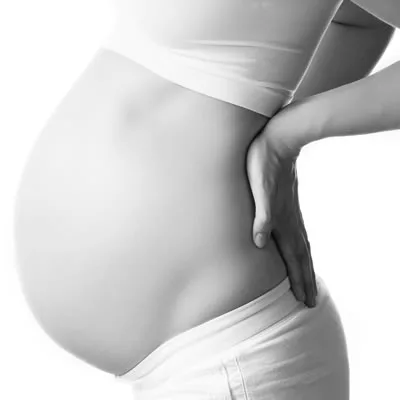
Hormonal changes, increased body weight and a changing centre of gravity all affect the muscles and joints during pregnancy. Symptoms may begin at any stage and can change as pregnancy progresses. They should not simply be dismissed as something that must be endured.
Lower back and sacroiliac pain
Pain may be felt centrally in the lower back or to one side around the sacroiliac joints. It can be aggravated by standing, walking, turning in bed or moving from sitting to standing. Assessment looks at the back, hips and pelvis and considers how daily tasks are loading the area.
Pelvic girdle and pubic symphysis pain
Pelvic girdle pain can affect the joints at the back or front of the pelvis. Pain around the pubic symphysis may make stairs, getting dressed, walking or separating the legs uncomfortable. Advice about pacing, movement strategies and appropriate strengthening is often an important part of care.
Buttock and leg symptoms
Tight or sensitive muscles around the buttock can refer pain into the leg. True sciatic nerve symptoms can also occur and need a neurological assessment, especially if there is numbness or weakness. The source should be identified before treatment is recommended.
Hand and wrist symptoms
Fluid changes during pregnancy can increase pressure around the median nerve at the wrist, producing carpal tunnel symptoms such as pins and needles in the thumb, index and middle fingers. Night symptoms are common. Positioning, gentle movement and support may help, while persistent weakness or loss of sensation needs medical review.
Adapted care during pregnancy
Treatment positions and techniques are modified for comfort and safety. Care may include gentle joint or soft-tissue techniques, advice about posture and daily movement, and exercises appropriate to the stage of pregnancy. We work within the wider maternity care plan and recommend contact with a midwife, GP or obstetric team when symptoms fall outside a straightforward musculoskeletal presentation.
Urgent maternity or medical advice is needed for pain with vaginal bleeding, fever, severe abdominal symptoms, shortness of breath, calf swelling, reduced foetal movement or any concern raised by your maternity team.