

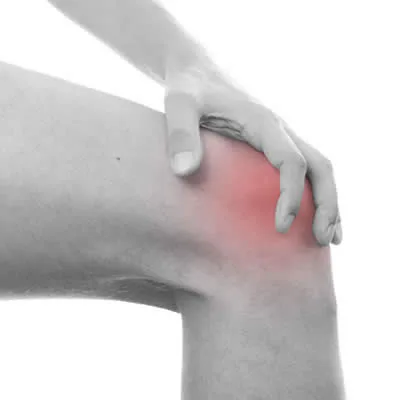
An examination looks at the painful tissues and at how the whole lower limb moves. Recent trauma, rapid swelling, an inability to take weight, a locked knee or a suspected fracture requires prompt medical assessment and may need imaging.
Knee pain after trauma
Anterior cruciate ligament injury
The anterior cruciate ligament helps control forward movement and rotation of the knee. An injury can follow a sudden change of direction, awkward landing or contact. People may hear a pop, develop swelling and feel that the knee is unstable. Suspected ACL injuries should be assessed early so that imaging, specialist review and rehabilitation can be arranged when appropriate.
Meniscus injury
The menisci are cartilage structures that help distribute load. A twist under weight can irritate or tear them. Symptoms may include joint-line pain, swelling, catching or locking. Management varies according to the type of injury, age, activity and whether the knee is mechanically blocked.
Medial collateral ligament injury
The MCL supports the inner side of the knee. It can be sprained by a force from the outside of the knee or a twisting movement. Rehabilitation normally progresses from protecting the injured area to restoring movement and strength.
Gradual or overuse-related pain
Patellofemoral pain
Pain around or behind the kneecap is often aggravated by stairs, squatting, running or sitting for a long time. Hip strength, ankle movement, training load and the way the kneecap is controlled can all contribute.
Iliotibial band-related pain
Pain at the outer knee can develop after repeated running or cycling. The assessment considers training changes, hip control and local sensitivity rather than treating the iliotibial band in isolation.
Patellar tendinopathy and bursitis
The patellar tendon can become painful with repeated jumping or acceleration. Bursae are small fluid-filled structures that reduce friction and may become irritated after pressure or overuse. Both need an accurate diagnosis because the exercise and load advice differ.
Osgood-Schlatter symptoms
Growing adolescents can develop pain and a tender bump below the kneecap where the patellar tendon attaches. Activity modification and appropriate strengthening often help, but persistent or severe symptoms should be medically assessed.
Rehabilitation
When suitable, care combines hands-on techniques with exercises for movement, strength and confidence. The aim is to help the knee tolerate the real demands of work, walking or sport rather than simply reducing symptoms temporarily.