

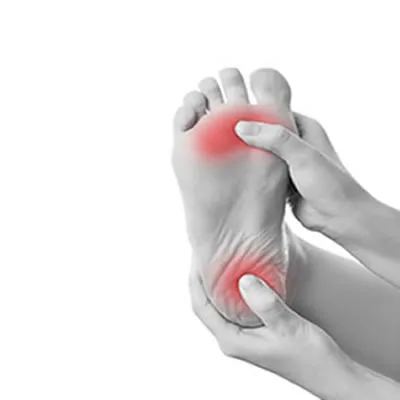
The foot and ankle absorb ground forces, provide balance and adapt to uneven surfaces while supporting the full weight of the body. A problem in this area can also change how the knee, hip or lower back moves. Assessment therefore looks beyond the exact point of pain.
Ankle sprains and strains
An ankle sprain usually follows a sudden twist that stretches the supporting ligaments. Swelling, bruising and difficulty taking weight are common. A fracture can produce similar symptoms, so recent trauma may need imaging or medical assessment before treatment begins.
Once serious injury has been excluded, rehabilitation focuses on restoring comfortable movement, calf strength and balance. These steps can reduce the chance of the ankle repeatedly giving way.
Tendon problems
Tendons connect muscle to bone and can become painful after a sudden increase in walking, running or sport. Achilles tendon pain is common, but tendons around the inner and outer ankle can also be affected. Tendon problems normally respond best to progressive loading rather than complete rest, with the amount of exercise adapted to the stage of the problem.
Tenosynovitis and tendinopathy
Tenosynovitis affects the lining around a tendon, while tendinopathy describes changes within the tendon itself. Both can cause local tenderness, stiffness and pain with repeated movement. The assessment checks the tendon, nearby joints and the way the whole lower limb handles load.
Metatarsalgia and forefoot pain
Pain under the ball of the foot may be associated with footwear, increased activity, joint irritation or altered pressure through the foot. Numbness or burning between the toes may point to nerve irritation and requires a more specific diagnosis.
Tarsal tunnel symptoms
The tibial nerve passes through a narrow space on the inside of the ankle. Compression here may cause burning, tingling or numbness across the sole of the foot. These symptoms need to be distinguished from plantar fascia irritation and from nerve symptoms referred from the lower back.
How we can help
Care may include gentle joint or soft-tissue techniques, advice about footwear and activity, and exercises for strength, mobility and balance. Where symptoms suggest a fracture, significant tendon tear, inflammatory condition or a problem requiring podiatry or medical care, we will recommend referral.