

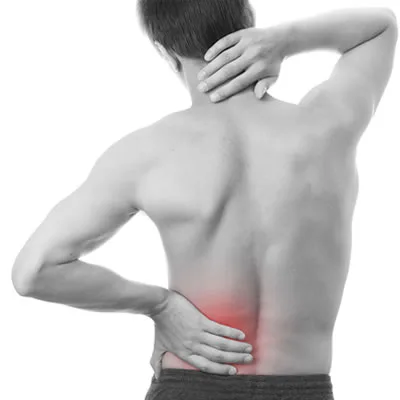
The lower back consists of five lumbar vertebrae, the discs between them, small stabilising joints, muscles, ligaments and spinal nerves. Pain can start in any one of these tissues, or develop because several areas are working together poorly. The intensity of pain does not always show how serious a problem is, which is why the history and examination matter.
Symptoms and assessment
Back pain can feel sharp, dull, burning or tight. It may stay around the spine or spread into the buttock, hip, groin or leg. Some people mainly notice stiffness after rest, while others find sitting, bending, lifting or walking more difficult.
At an initial appointment we ask how the problem started, what makes it better or worse and whether there are any symptoms that require medical investigation. The physical assessment can include movement, strength, reflex, sensation and orthopaedic tests. If chiropractic care is not suitable, we will explain why and recommend the appropriate next step.
Common presentations
Facet joint irritation
Facet joints sit at the back of the spine and guide movement between neighbouring vertebrae. Irritation can produce local pain and stiffness, often aggravated by twisting or leaning backwards. Pain may spread into the buttock or upper thigh but is less likely to travel below the knee.
Disc-related pain
Spinal discs help distribute load and allow the back to move. A disc can become irritated or bulge, sometimes affecting a nearby nerve. This may cause back pain alone or symptoms such as leg pain, pins and needles, numbness or weakness. Many disc problems can be managed without surgery, but the right approach depends on the examination and neurological findings.
Sacroiliac joint pain
The two sacroiliac joints connect the base of the spine to the pelvis. Pain is commonly felt to one side of the lower back or around the buttock and groin. Sitting, moving from sitting to standing and bending slightly forwards can aggravate it. Pregnancy and changes in pelvic load can also affect this area.
Scoliosis and postural asymmetry
Scoliosis describes a sideways curvature and rotation of the spine. Chiropractic care does not straighten a structural scoliosis, but an assessment may identify associated joint or muscle discomfort that can be managed conservatively. Children or adults with a new or changing curve should receive an appropriate medical assessment.
Care at the clinic
When suitable, care may include joint mobilisation or manipulation, soft-tissue techniques and a gradual home exercise plan. Advice about lifting, workstation setup, sleep and returning to activity is tailored to the person rather than based on a fixed treatment schedule.
Seek urgent medical help for new loss of bladder or bowel control, numbness around the saddle area, rapidly worsening leg weakness, severe pain following major trauma, fever with back pain or unexplained weight loss.